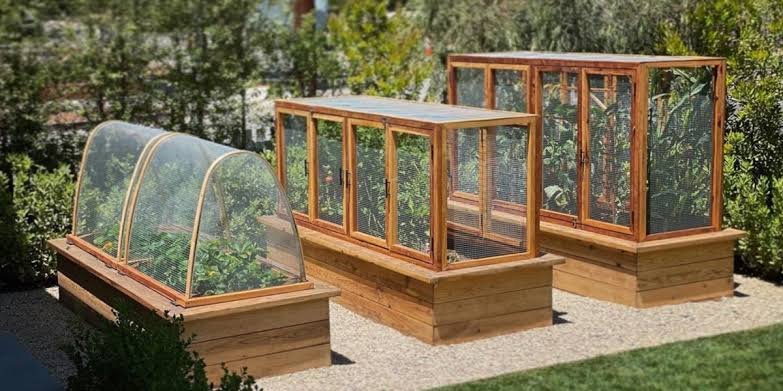
Poor soil quality ruins more gardens than people realize, and it’s honestly one of the most common reasons plants underperform despite proper care. Learning how to build a raised garden bed solves that problem entirely — you control the soil from day one.
I built my first raised bed almost by accident, using leftover wood from a shelving project. It turned out better than my in-ground attempts had ever managed, and I’ve built three more since.
Why Raised Beds Outperform Ground-Level Gardens
Raised beds warm up faster in spring, drain better, and keep out a lot of ground-level pests. They also save your back, honestly — no crouching at ground level for hours.
Quick answer: Building a raised garden bed involves choosing a location, constructing a frame from rot-resistant wood, filling it with quality soil mix, and planting — a project most people finish in a single weekend.
Step 1: Choose the Right Location
Pick a spot getting at least 6 hours of sunlight daily for most vegetables and flowering plants. Check drainage too — a spot where water pools after rain isn’t ideal, even for a raised bed.
Step 2: Select Your Materials
Untreated cedar or redwood resists rot naturally and is the go-to choice, though it’s pricier. Pressure-treated wood works too, provided it’s rated safe for garden use — check labeling carefully if you’re growing edibles.
- Cedar or redwood: naturally rot-resistant, higher cost
- Pine: budget-friendly but degrades faster, needs replacement sooner
- Concrete blocks or bricks: permanent option, higher upfront cost but essentially maintenance-free
- Galvanized metal: modern look, excellent durability, moderate cost
[link to related guide about low-maintenance garden ideas here]
Step 3: Build the Frame
A standard raised bed is roughly 4 feet wide (so you can reach the center from either side) and any length that suits your space. Height typically ranges from 12 to 24 inches.
- Cut wood to your desired dimensions
- Assemble corners using galvanized screws, not nails — they hold better long-term
- Reinforce corners with L-brackets for added stability
- Line the bottom with cardboard or landscape fabric to suppress weeds
Step 4: Fill With Quality Soil
This is where raised beds really earn their reputation. A good mix is roughly 60% topsoil, 30% compost, and 10% aeration material like perlite or coarse sand.
Related reading: Best Plants for a Shady Garden That Gets Little Sun
- Don’t use plain garden soil alone — it compacts too much in a contained space
- Compost adds nutrients that plain topsoil lacks
- Leave about an inch of space below the rim for mulch and easy watering
Step 5: Plant and Mulch
Space plants according to their mature size, not their current seedling size — a common beginner mistake that leads to overcrowding later. Mulch after planting to retain moisture and suppress weeds.
[link to related guide about small space vegetable gardens here]
Maintenance Going Forward
Raised beds dry out faster than ground gardens because they drain so well, which means watering slightly more often, especially in summer. Top up soil and compost annually as it settles and nutrients deplete.
Common Mistakes to Avoid
- Making the bed too wide to comfortably reach the center
- Skipping the weed barrier layer at the bottom
- Using plain soil instead of a proper garden mix
- Overcrowding plants based on seedling size rather than mature size
FAQs
How deep should a raised garden bed be? At least 12 inches for most vegetables, though root vegetables like carrots benefit from 18-24 inches of depth.
What’s the cheapest material for a raised bed frame? Untreated pine is the most budget-friendly option, though it needs replacement every few years due to rot.
Can I build a raised bed directly on grass or concrete? Yes, on grass, line the bottom with cardboard to suppress growth; on concrete, ensure the bed is at least 12 inches deep for proper root development.
How much soil do I need for a raised bed? Roughly 0.75 cubic feet of soil per square foot of bed area for a 12-inch-deep bed — most garden centers can calculate this based on your dimensions.
Do raised garden beds need drainage holes? Not holes exactly, but ensure the bottom isn’t lined with anything that blocks water from draining into the ground below.
Conclusion
A well-built raised garden bed solves soil quality problems permanently and makes gardening genuinely easier on your back and your plants both. Pick a sunny weekend, gather rot-resistant wood and a good soil mix, and you’ll have a functional bed ready for planting by Sunday evening. It’s one of those projects that pays for itself in better harvests within a single season.
Suggested Alt Text:
- “Wooden raised garden bed filled with soil ready for planting”
- “Cedar raised bed frame being assembled in a backyard”
- “Vegetables growing in a completed raised garden bed”