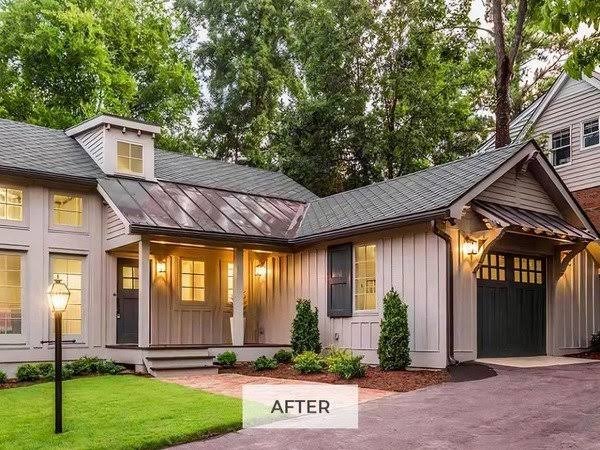
Category: Renovations

  • House Renovation Timeline: How Long Each Stage Really Takes

    House Renovation Timeline: How Long Each Stage Really Takes

    “How long will this take?” It’s the first question everyone asks a contractor, and it’s also the question that gets the vaguest answers. A realistic house renovation timeline depends on scope, but there are patterns that hold true across most projects.

    I’ve watched a full house renovation drag from an estimated 3 months to nearly 7, mostly because nobody accounted for material delays. Knowing the real timeline in advance saves a lot of frustration later.

    Why Timelines Get Estimated Wrong

    Contractors sometimes lowball timelines to win the job, and homeowners rarely push back with realistic expectations. The result? Everyone’s disappointed by month two.

    Quick answer: A full house renovation timeline typically runs 3-6 months for a mid-sized home, though kitchens and bathrooms alone can take 3-6 weeks each when done individually.

    Stage 1: Planning and Design (2-4 weeks)

    This stage gets rushed constantly, and it shouldn’t. Finalizing layouts, material selections, and getting quotes properly takes real time. Skipping ahead here almost always causes delays later when decisions need to be reversed mid-construction.

    Stage 2: Permits and Approvals (1-3 weeks)

    Depending on your city and whether structural changes are involved, this can be quick or genuinely painful. Jaipur, for instance, has specific approval processes for anything touching load-bearing walls — worth checking with your local municipal office early.

    Stage 3: Demolition (3-7 days)

    Fast, loud, and usually the most satisfying part for homeowners watching the process. Small rooms take a few days; full-house gutting can stretch to two weeks.

    Stage 4: Structural and Electrical Work (2-4 weeks)

    This is where hidden problems surface — old wiring, water damage, unexpected issues behind walls. Build in buffer time here specifically; it’s the stage most likely to run long.

    [link to related guide about home renovation costs here]

    Stage 5: Flooring, Tiling, Painting (3-6 weeks)

    These finishing stages take longer than people expect because they can’t overlap much — tiling needs to cure before grouting, paint needs proper drying time between coats.

    • Flooring installation: 1-2 weeks depending on material
    • Tiling (kitchen/bathroom): 1-2 weeks including grouting time
    • Painting (full house): 2-3 weeks for proper drying between coats

    Stage 6: Fixtures, Fittings and Final Touches (1-2 weeks)

    Light fixtures, hardware, final electrical connections. This stage feels quick but rushing it leads to sloppy work that’s annoying to fix later.

    A Realistic Full Timeline Example

    For a 3-bedroom home undergoing full renovation:

    1. Planning: 3 weeks
    2. Permits: 2 weeks
    3. Demolition: 1 week
    4. Structural/electrical: 3 weeks
    5. Flooring/tiling/painting: 5 weeks
    6. Final touches: 2 weeks

    Total: roughly 16 weeks, or about 4 months — assuming no major surprises.

    What Causes the Biggest Delays

    Material availability is the number one culprit, especially imported tiles or fixtures with long shipping times. Monsoon season also slows exterior work considerably in most Indian cities.

    [link to related guide about hiring reliable contractors here]

    FAQs

    How long does a kitchen renovation take on its own? Usually 4-6 weeks from demolition to final installation, assuming no structural changes are needed.

    Can I speed up a renovation timeline? Yes, by finalizing all material decisions before demolition starts and avoiding mid-project design changes.

    Does monsoon season affect renovation timelines in India? Significantly, especially for exterior work, waterproofing, and any project involving open structural work.

    Is a 3-month renovation realistic for a full house? For smaller homes with no major structural changes, yes; larger or older homes usually need 4-6 months.

    What’s the most time-consuming stage? Flooring, tiling, and painting combined usually take the longest due to drying and curing time requirements.

    Conclusion

    A realistic house renovation timeline is your best defense against the frustration of “why is this taking so long.” Plan for buffer time at every stage, especially structural work and material delivery, and you’ll avoid most of the surprises that catch first-time renovators off guard. Sit down with your contractor before day one and map out each stage together — it’s the single best thing you can do to keep the project on track.

    Suggested Alt Text:

    1. “Contractor and homeowner reviewing renovation timeline schedule”
    2. “House mid-renovation with exposed structural work”
    3. “Newly tiled floor drying during renovation final stages”

  • Living Room Renovation Ideas That Won’t Break the Bank

    Living Room Renovation Ideas That Won’t Break the Bank

    There’s a strange assumption that living room renovation ideas always mean tearing out walls or spending lakhs of rupees. They don’t. Some of the best living room transformations I’ve seen cost a fraction of what people expect.

    Picture a young couple in a rented flat in Jaipur — can’t touch the structure, limited budget, but still wanting the space to feel like theirs. That’s actually the perfect constraint for smart renovation thinking.

    Rethinking What “Renovation” Means

    Renovation doesn’t have to mean construction. Sometimes it’s rearranging what you already own, swapping textures, or fixing the one thing that’s been bothering you for years (that flickering tube light, maybe).

    Quick answer: Budget-friendly living room renovations focus on lighting, wall treatment, and furniture layout rather than structural changes — these three alone can transform a space for under ₹50,000.

    1. Change the Lighting Layout

    Most living rooms rely on one overhead light, which is honestly the least flattering way to light any room. Adding a floor lamp in a corner and a table lamp near the seating area creates depth that a single bulb never will.

    2. Add Texture With an Accent Wall

    Paint is the obvious choice, but textured wallpaper or even reclaimed wood panels on one wall add a dimension flat paint can’t. Costs vary — wallpaper runs ₹60-150 per sq ft, while wood panels are pricier but dramatic.

    3. Rearrange Before You Renovate

    This sounds too simple to matter, but it does. Before spending a single rupee, try rearranging your existing furniture. I’ve seen rooms transform completely just from turning the sofa to face a different wall.

    • Float furniture away from walls if the room allows it
    • Create a clear walking path — cramped layouts feel smaller than they are
    • Group seating so conversation feels natural, not scattered

    4. Update Soft Furnishings

    New cushion covers, a fresh rug, updated curtains — these change a room’s whole personality for surprisingly little money. A good rug alone can anchor an entire living room renovation without touching anything permanent.

    [link to related guide about home decorating on a budget here]

    5. Fix What’s Actually Broken First

    Before adding anything new, fix the small annoyances — that cracked switchboard, the water stain on the ceiling, the door that doesn’t close properly. Renovation ideas mean nothing if the basics are ignored.

    Budget Allocation That Actually Makes Sense

    If you’ve got ₹50,000 to spend, here’s roughly how I’d split it:

    1. Lighting fixtures and lamps — ₹12,000
    2. Paint or wall treatment — ₹15,000
    3. Rug and soft furnishings — ₹10,000
    4. Small furniture pieces or repairs — ₹13,000

    Materials That Age Well

    Not every trendy material holds up. Velvet upholstery looks stunning but shows wear fast in dusty climates. Cotton and linen blends are more forgiving for everyday Indian households, especially with kids or pets around.

    [link to related guide about choosing paint colors here]

    FAQs

    What’s the cheapest way to renovate a living room? Rearranging existing furniture and updating lighting cost almost nothing and make a bigger visual difference than most people expect.

    Should I renovate the living room myself or hire a designer? For budget renovations under ₹1 lakh, DIY planning works fine; designers become worth it for larger structural changes.

    How much does a full living room renovation cost in India? A moderate renovation with new flooring, paint, and furniture typically runs ₹1.5-4 lakh depending on room size and finish quality.

    Do rugs really make that much difference? Yes, a well-sized rug visually anchors furniture groupings and makes rooms feel more finished almost instantly.

    What should I avoid overspending on? Trendy accent pieces that go out of style fast — spend more on lighting and layout, which have lasting impact.

    Conclusion

    A good living room renovation doesn’t need to drain your savings. Start with lighting and layout, fix small annoyances, and only then think about bigger structural changes if the budget allows. Try rearranging your current furniture this weekend before spending a single rupee — you might be surprised how much just changes with what you already own.

    Suggested Alt Text:

    1. “Cozy living room with layered lighting from floor and table lamps”
    2. “Textured accent wall behind a living room sofa”
    3. “Living room rearranged with new rug and cushion covers”