If your garden faces north or sits under a canopy of trees, you’ve probably already tried a few sun-loving plants that just… didn’t make it. Finding the best plants for a shady garden isn’t about giving up on greenery — it’s about picking the right ones from the start.
I made this mistake early on, planting marigolds in a spot that got maybe two hours of light a day. They limped along for a month before I finally gave up and did some research.
Why Shade Isn’t the Enemy You Think It Is
A lot of genuinely beautiful plants prefer indirect light. Direct sun actually stresses them, causing leaf scorch and faster soil drying. Shade gardens, done right, often look lusher than sunny ones.
Quick answer: The best plants for shady gardens include ferns, hostas, begonias, and peace lilies — all of which thrive in low-light conditions and need minimal direct sunlight to flourish.
1. Ferns
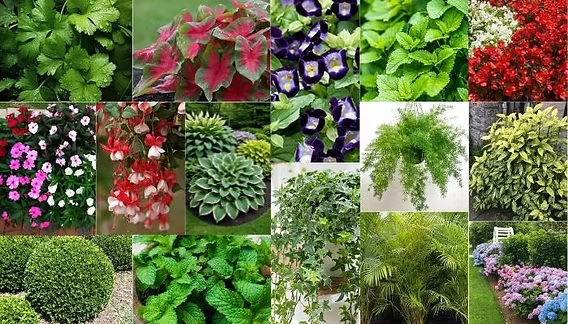
Ferns are the obvious starting point, and for good reason. They handle deep shade better than almost anything else, need consistent moisture, and give that lush, layered green look gardeners love.
2. Hostas
Hostas come in dozens of varieties, from tiny to enormous, with leaf patterns ranging from solid green to variegated white-and-green. They’re low maintenance and spread well once established.
3. Begonias
Shade-loving begonia varieties (not the sun-tolerant ones) add color where most flowering plants would fail. They bloom reliably even in fairly dim corners of a garden.
- Wax begonias tolerate more light variation than most people expect
- Tuberous begonias need slightly more care but offer bigger blooms
- Both benefit from well-draining soil, since shade often means damper conditions
[link to related guide about raised garden beds here]
4. Peace Lily (Indoor-Outdoor Transition Spots)
If you’ve got a partially covered patio or a shaded balcony, peace lilies do surprisingly well outdoors in warmer climates, not just as houseplants. They also signal when they need water by drooping slightly, which is honestly convenient.
5. Caladiums
These are all about foliage, not flowers — heart-shaped leaves in reds, pinks, and whites that bring color to shade without needing blooms at all. They’re seasonal in cooler climates but perennial in warmer regions.
Related reading: How to Build a Raised Garden Bed Step by Step
6. Astilbe
Feathery plume-like flowers in shades of pink, red, and white. Astilbe genuinely prefers partial shade over full sun and does well near water features if you’ve got one.
Soil and Watering Considerations for Shade Gardens
Shaded soil retains moisture longer than sunny spots, which changes your watering routine. Overwatering is actually the more common mistake in shade gardens, not underwatering.
- Check soil moisture before watering — shaded soil dries slower
- Improve drainage with organic matter if water tends to pool
- Mulch lightly to retain moisture without waterlogging roots
[link to related guide about low-maintenance garden ideas here]
Common Mistakes People Make With Shade Gardens
Planting sun-lovers out of stubbornness is the biggest one — I’ve been there. The second is assuming shade means no maintenance; shade plants still need regular care, just different care than sunny beds.
FAQs
Can flowering plants survive in full shade? Some can — begonias and astilbe both flower reliably in shaded conditions, though blooms may be slightly less abundant than in partial sun.
How much light counts as “full shade”? Generally under 3 hours of direct sunlight daily, with the rest being indirect or filtered light.
Do shade plants need less water than sun plants? Not necessarily less, but shaded soil dries slower, so overwatering is a more common risk than underwatering.
What’s the easiest shade plant for beginners? Hostas are widely considered the most forgiving — tolerant of varying shade levels and low-maintenance once established.
Can I grow vegetables in a shady garden? Leafy greens like spinach and lettuce tolerate partial shade reasonably well, though most vegetables need more direct sun to fruit properly.
Conclusion
A shady garden doesn’t have to be a lost cause — ferns, hostas, begonias, and a handful of other shade-loving plants can make it genuinely thrive. Start with two or three of these in your dimmest corner and see how they respond before expanding further. Shade gardening just needs the right plant choices, not extra effort.
Suggested Alt Text:
- “Lush fern garden thriving in a shaded backyard corner”
- “Variegated hosta leaves in a low-light garden bed”
- “Pink begonia blooms in a partially shaded flower bed”