Hallways, kitchens, and living rooms take a beating that bedrooms simply don’t. Picking the right flooring for high-traffic areas means prioritizing durability over looks alone — though thankfully, you don’t have to choose one or the other entirely.
I learned this after installing a beautiful but soft laminate in my main hallway, only to watch it show scuff marks and dents within eight months of regular use.
What “High-Traffic” Actually Means for Flooring
It’s not just about footsteps — high-traffic areas deal with dropped items, pet claws, furniture movement, moisture from shoes, and constant friction that wears down surface finishes faster than lower-traffic rooms.
Quick answer: The best flooring for high-traffic areas includes porcelain tile, luxury vinyl plank, and engineered hardwood — all of which resist scratches, dents, and moisture better than softer materials like laminate or carpet.
1. Porcelain Tile
Genuinely one of the most durable options available. It resists scratches, moisture, and heavy impact better than almost any other flooring type, making it ideal for entryways and kitchens specifically.
- Extremely durable against scratches and dents
- Water-resistant, good for kitchens and entryways
- Can feel cold underfoot without additional heating
2. Luxury Vinyl Plank (LVP)
A genuinely good middle-ground option — durable, water-resistant, and considerably more comfortable underfoot than tile. It’s become increasingly popular for exactly this reason.
[link to related guide about vinyl flooring pros and cons here]
3. Engineered Hardwood
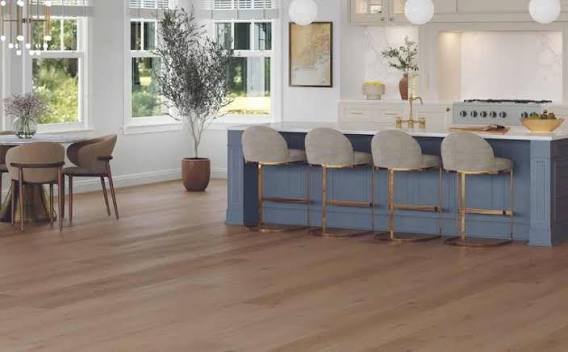
More stable than solid hardwood in fluctuating humidity, and reasonably durable if you choose a higher-grade finish. It brings warmth and a premium look that vinyl or tile can’t quite replicate.
Related reading: Vinyl Flooring Pros and Cons: Is It Worth Installing?
4. What to Avoid in High-Traffic Zones
- Soft laminate — scratches and dents easily under heavy use
- Light-colored carpet — shows stains and wear far faster than darker options
- Natural stone with a polished (rather than honed) finish — becomes slippery and shows scratches
Factors Beyond Durability to Consider
- Maintenance requirements — some durable materials still need specific care routines
- Slip resistance — especially important near entryways during monsoon season
- Comfort underfoot — matters if it’s an area people stand in for extended periods, like kitchens
- Noise levels — hard flooring can echo in open-plan spaces without area rugs
[link to related guide about hardwood vs laminate flooring here]
Matching Flooring to Specific High-Traffic Rooms
- Entryways: porcelain tile or LVP, both handle moisture and dirt tracked in from outside
- Kitchens: porcelain tile or LVP again, given spill and moisture exposure
- Living rooms: engineered hardwood or LVP, balancing durability with comfort
- Hallways: LVP is often the sweet spot between durability and cost
Cost Comparison
- Porcelain tile: ₹80-250 per sq ft
- Luxury vinyl plank: ₹100-300 per sq ft
- Engineered hardwood: ₹200-500 per sq ft
Maintenance Tips for Longevity
Regardless of material chosen, use entrance mats to reduce grit being tracked in — grit is actually the biggest cause of surface scratching over time, more than the traffic itself. Felt pads under furniture legs also prevent a surprising amount of wear.
FAQs
What’s the most durable flooring for high-traffic homes? Porcelain tile is generally considered the most durable option, resisting scratches, dents, and moisture better than most alternatives.
Is luxury vinyl plank good for high-traffic areas? Yes, it’s one of the best balances of durability, comfort, and cost for busy household areas like hallways and living rooms.
Does carpet work in high-traffic zones? Darker, low-pile carpets can work reasonably well, but they generally show wear faster than hard flooring options in genuinely busy areas.
How do I prevent scratches on hard flooring? Use entrance mats to reduce grit tracked indoors, and felt pads under furniture legs — grit causes more scratching than foot traffic alone.
Is engineered hardwood durable enough for high-traffic rooms? Yes, particularly higher-grade finishes, though it’s slightly less scratch-resistant than porcelain tile or luxury vinyl plank.
Conclusion
Choosing the right flooring for high-traffic areas comes down to prioritizing durability and moisture resistance without completely sacrificing comfort or style. Porcelain tile and luxury vinyl plank are usually the safest bets for genuinely busy spaces, while engineered hardwood works well where you want warmth alongside decent durability. Whatever you choose, entrance mats and furniture pads go a long way toward extending its life.
Suggested Alt Text:
- “Porcelain tile flooring in a busy home entryway”
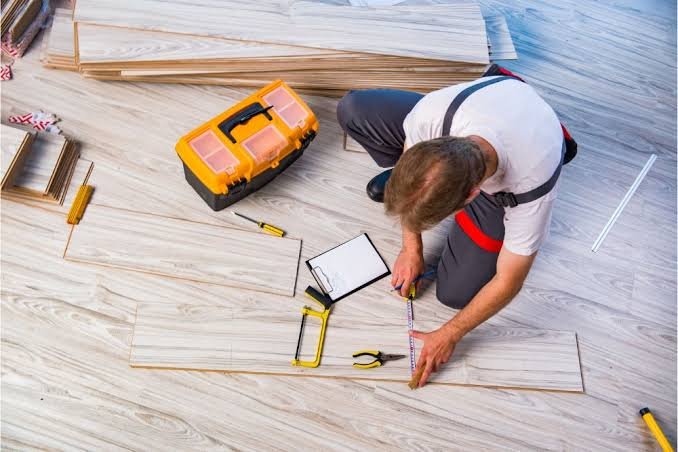
- “Luxury vinyl plank flooring installed in a living room”
- “Engineered hardwood flooring in a high-traffic hallway”