Vinyl flooring has come a long way from the plain sheet vinyl of decades past. Understanding the real vinyl flooring pros and cons matters though, because it’s not universally the right choice despite how popular it’s become recently.
I installed luxury vinyl plank in my kitchen two years ago after going back and forth with tile for weeks. No regrets so far, though I’ll admit it’s not perfect for every situation.
What Modern Vinyl Flooring Actually Is
Today’s vinyl, particularly luxury vinyl plank (LVP) and luxury vinyl tile (LVT), looks remarkably close to real wood or stone while being significantly more water-resistant and affordable.
Quick answer: Vinyl flooring pros include water resistance, affordability, and easy installation, while cons include lower resale value perception, potential for denting under heavy furniture, and environmental concerns around disposal.
The Pros of Vinyl Flooring
- Water resistance — genuinely excellent, making it ideal for kitchens, bathrooms, and entryways
- Affordability — typically cheaper than hardwood or natural stone per square foot
- Comfort underfoot — softer and warmer than tile or stone
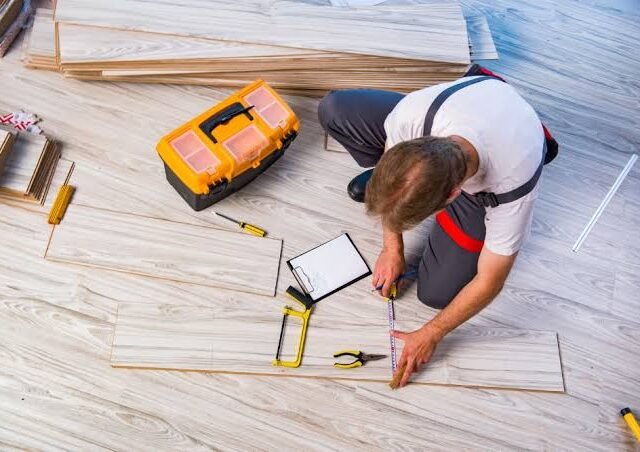
- Easy installation — many options are click-lock systems, doable as a DIY project
- Low maintenance — regular sweeping and occasional mopping keeps it looking good
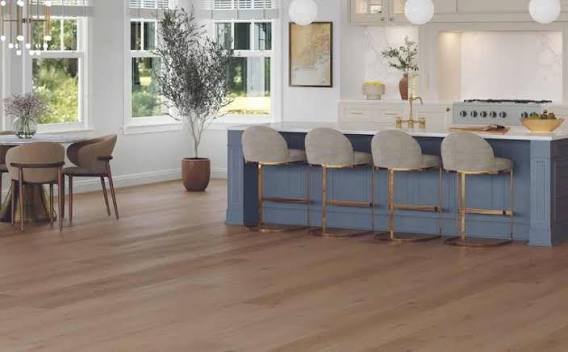
- Realistic appearance — modern printing technology makes wood and stone look genuinely convincing
[link to related guide about flooring for high-traffic areas here]
The Cons of Vinyl Flooring
- Can dent under heavy furniture if quality is lower-grade
- Doesn’t add the same resale value perception as real hardwood or natural stone
- Environmental concerns — vinyl isn’t biodegradable and disposal isn’t straightforward
- Can look less premium than genuine materials to some buyers, despite visual similarity
- Lower-quality vinyl can fade with prolonged direct sun exposure
Is Vinyl Right for Your Specific Room?
Kitchens and bathrooms are where vinyl genuinely shines, given its water resistance. Living rooms and bedrooms work fine too, though if resale value is a major consideration, hardwood might serve you better in those specific spaces.
- Kitchens: excellent choice, water resistance matters most here
- Bathrooms: excellent choice, same reasoning
- Bedrooms: good choice, comfort underfoot is a nice bonus
- Living rooms: solid choice, though hardwood may add more resale value if that’s a priority
Vinyl Quality Tiers Explained
Not all vinyl is equal, and the price difference reflects real quality gaps.
- Budget vinyl: thinner wear layer, more prone to denting and fading
- Mid-range LVP/LVT: solid balance of durability and cost, suitable for most homes
- Premium vinyl: thicker wear layers, better texture realism, closer to genuine material feel
[link to related guide about hardwood vs laminate flooring here]
Related reading: How to Choose Flooring for High-Traffic Areas of Your Home
Installation Considerations
Subfloor preparation matters more than people expect — vinyl shows subfloor imperfections through the surface over time if it’s not properly leveled beforehand. This is worth paying attention to even in a DIY installation.
Long-Term Value Consideration
If you’re planning to sell within a few years, keep in mind that some buyers still perceive hardwood as more premium, even when vinyl performs better functionally in water-prone areas. It’s worth weighing personal use against resale expectations.
FAQs
Is vinyl flooring waterproof? Most modern luxury vinyl is highly water-resistant, and many premium options are genuinely waterproof, making them ideal for kitchens and bathrooms.
Does vinyl flooring lower home resale value? Not significantly, though some buyers perceive hardwood as more premium — the impact varies by local market and buyer preferences.
How long does vinyl flooring last? Quality luxury vinyl typically lasts 15-25 years with proper care, comparable to many mid-range hardwood options.
Can I install vinyl flooring myself? Yes, click-lock luxury vinyl plank is designed for DIY installation and is genuinely manageable for most homeowners.
Is vinyl flooring environmentally friendly? Less so than natural materials — it’s not biodegradable, though some manufacturers now offer more sustainable production processes.
Conclusion
Weighing vinyl flooring pros and cons honestly, it comes out as a genuinely solid choice for water-prone areas and budget-conscious renovations, even if it doesn’t quite match hardwood’s resale prestige. If durability and water resistance matter more to you than resale perception, vinyl is hard to beat for the price. Choose a mid-range or premium tier if you want it to actually last.
Suggested Alt Text:
- “Luxury vinyl plank flooring resembling natural wood grain”
- “Vinyl flooring installation in progress using click-lock system”
- “Water-resistant vinyl flooring installed in a modern kitchen”