“How long does a roof last” is one of those questions people only ask once they’re already worried something’s wrong. The honest answer depends heavily on material, climate, and how well it’s been maintained over the years.
I’ve lived in houses with two very different roof types, and the difference in how they aged — despite similar weather exposure — genuinely surprised me. Material choice matters more than most people realize going in.
Why Roof Lifespan Varies So Much
Climate plays a bigger role than most homeowners expect. Intense heat, monsoon rainfall, and UV exposure all accelerate wear differently depending on the material used.
Quick answer: Roof lifespan varies by material — asphalt shingles last 15-20 years, clay tiles 50-100 years, and metal roofing 40-70 years, with proper maintenance extending life at every tier.
Asphalt Shingles: 15-20 Years
Common in many residential builds due to lower upfront cost. They handle moderate climates reasonably well but degrade faster under intense heat and prolonged sun exposure, which is relevant in many Indian regions.
Clay and Concrete Tiles: 50-100 Years
These last remarkably long and suit hot climates well, reflecting heat rather than absorbing it. The upfront cost is higher, but the lifespan often justifies it for homeowners planning to stay long-term.
- Clay tiles: excellent heat resistance, traditional aesthetic
- Concrete tiles: similar lifespan, generally more affordable than clay
- Both are heavier, requiring adequate structural support underneath
Metal Roofing: 40-70 Years
Increasingly popular for its durability and relatively low maintenance needs. Metal roofs handle heavy rain well, which matters significantly during monsoon season, though they can be noisier during heavy rainfall unless properly insulated.
[link to related guide about roof ventilation here]
Flat/RCC Roofs (Common in Urban India): 30-50 Years
RCC (reinforced cement concrete) roofs are extremely common in Indian residential construction. Waterproofing quality affects lifespan significantly here — a well-waterproofed RCC roof easily hits the higher end of that range, while a poorly maintained one can develop leaks within a decade.
Related reading: Roof Ventilation Explained: Why It Matters for Your Home
Factors That Shorten Roof Lifespan
- Poor or absent waterproofing, especially on flat roofs
- Standing water due to inadequate drainage slope
- Lack of regular inspection and gutter maintenance
- Extreme temperature swings causing material expansion and contraction
- Tree overhang causing debris buildup and moisture retention
Signs Your Roof Is Nearing the End
- Visible sagging in any section of the roof
- Frequent leaks despite repeated patch repairs
- Cracked, curling, or missing shingles/tiles
- Daylight visible through the roof from the attic space
[link to related guide about gutter maintenance here]
Extending Your Roof’s Actual Lifespan
Regular inspections — ideally twice yearly, before and after monsoon — catch small issues before they become expensive ones. Re-waterproofing RCC roofs every 5-7 years significantly extends their functional life beyond the base estimate.
Is Replacement or Repair the Right Call?
If damage is localized and the roof is under 60% through its expected lifespan, repair usually makes more financial sense. Beyond that point, especially with recurring issues, replacement becomes the more cost-effective long-term choice.
FAQs
Which roofing material lasts the longest? Clay and concrete tiles typically last the longest, often 50-100 years with proper maintenance, though metal roofing comes close at 40-70 years.
Do RCC roofs need waterproofing to last long? Yes, absolutely — waterproofing quality is the single biggest factor determining how long an RCC roof lasts before leaks develop.
How often should I inspect my roof? Twice yearly is the general recommendation, ideally before and after monsoon season, plus after any major storm.
Does roof color affect its lifespan? Lighter colors reflect heat better, potentially reducing thermal stress and slightly extending lifespan in hot climates.
Is it worth paying more for a longer-lasting roofing material? For homeowners planning to stay long-term, yes — the higher upfront cost often works out cheaper per year compared to materials needing earlier replacement.
Conclusion
How long does a roof last genuinely depends on the material you choose and how consistently it’s maintained afterward. If you’re building or replacing a roof soon, weigh the higher upfront cost of longer-lasting materials against how long you plan to stay in the home. Either way, don’t skip the twice-yearly inspections — they’re the cheapest insurance you’ll ever buy for your roof.
Suggested Alt Text:
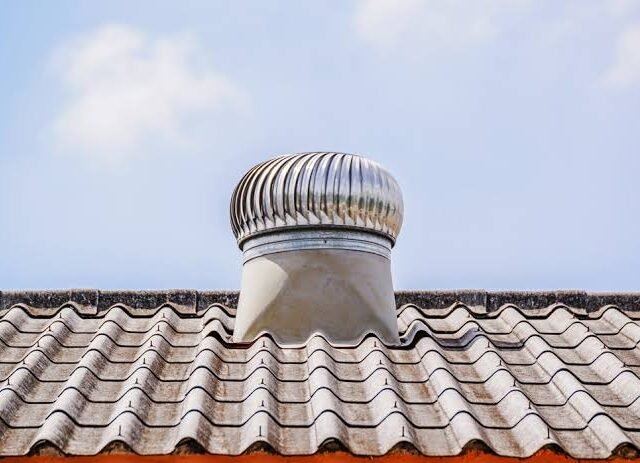
- “Clay tile roof on a residential home showing weathering”
- “Metal roofing installed on a house during construction”
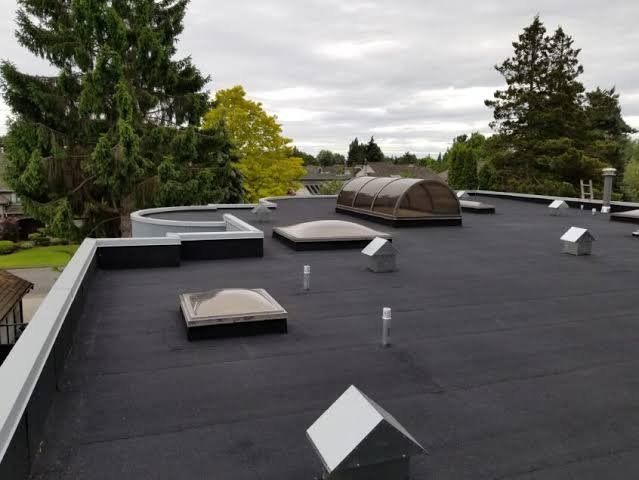
- “RCC flat roof with waterproofing coating applied”