Roof ventilation is one of those things nobody thinks about until the attic feels unbearably hot or mold starts showing up somewhere it shouldn’t. It’s not just about airflow for comfort — it genuinely affects your roof’s lifespan and your home’s energy costs.
I didn’t understand this properly until a contractor pointed out moisture damage in my attic that traced directly back to inadequate ventilation, not a leak like I’d originally assumed.
What Roof Ventilation Actually Does
It regulates temperature and moisture in the attic space, preventing heat and humidity buildup that damages roofing materials from underneath, not just from weather exposure above.
Quick answer: Roof ventilation allows hot, moist air to escape the attic space while pulling in cooler air, preventing moisture damage, reducing cooling costs, and extending the lifespan of roofing materials.
The Two Types of Ventilation You Need
Proper ventilation isn’t just one vent — it requires a balanced system of intake and exhaust working together.
- Intake vents — typically at the eaves, pulling in cooler outside air
- Exhaust vents — at or near the ridge, letting hot air escape upward
Without both working together, ventilation doesn’t function properly even if vents exist somewhere on the roof.
Why Poor Ventilation Damages Your Roof
Trapped heat in summer causes roofing materials to age faster from underneath, essentially cooking the structure from inside the attic rather than just weathering from outside exposure. In more humid conditions, trapped moisture leads to mold, wood rot, and insulation damage.
[link to related guide about roof lifespan by material here]
Signs Your Roof Ventilation Is Inadequate
- Noticeably hot upper floors, even with air conditioning running
- Ice or moisture buildup in the attic during cold spells (relevant in northern regions)
- Musty smell or visible mold in the attic space
- Higher than expected cooling bills during summer months
- Curling or premature aging of shingles from underneath
Common Ventilation Mistakes
Blocking soffit vents with insulation is surprisingly common and defeats the entire ventilation system’s purpose. Similarly, having exhaust vents without adequate intake vents creates an imbalanced system that doesn’t circulate air properly.
Related reading: How Long Does a Roof Last? Lifespan by Material Type
- Insulation blocking soffit/eave vents
- Exhaust-only systems without proper intake
- Painting over vent openings during exterior painting (happens more than you’d think)
[link to related guide about how often to repaint house exterior here]
Types of Ventilation Systems
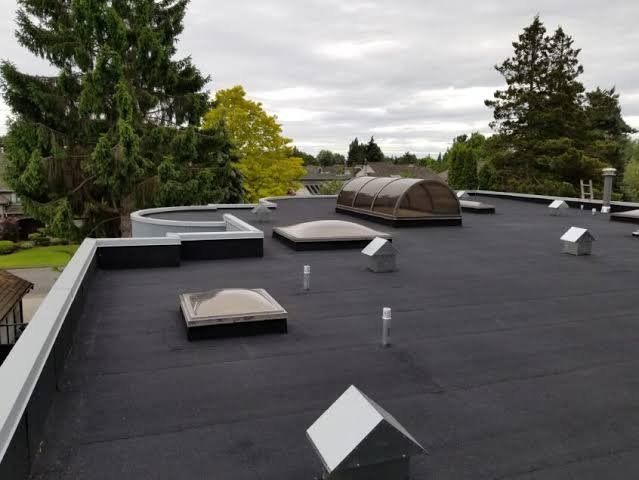
- Ridge vents — run along the roof’s peak, provide continuous exhaust
- Soffit vents — installed under the eaves, provide intake air
- Gable vents — on the triangular wall sections at the roof’s ends
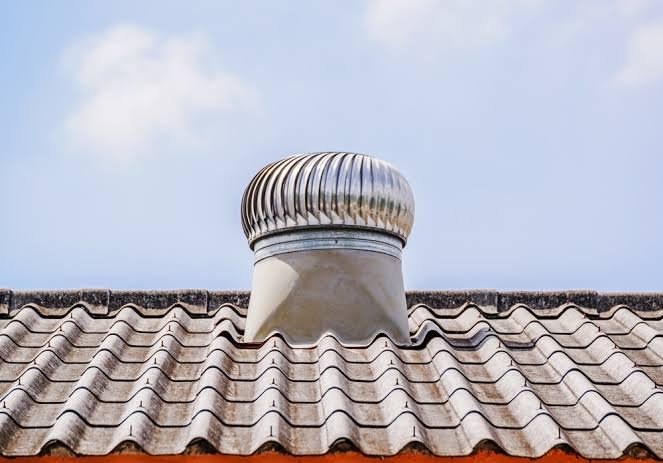
- Turbine vents — wind-powered, actively pull air out
- Powered attic fans — electric, used when passive ventilation isn’t sufficient
How Much Ventilation Does a Roof Actually Need
The general industry rule is 1 square foot of ventilation for every 300 square feet of attic floor space, split evenly between intake and exhaust. This varies slightly based on climate and insulation levels though.
Cost of Improving Roof Ventilation
Adding soffit vents or a ridge vent system typically costs ₹15,000-50,000 depending on roof size and existing structure, and it’s genuinely one of those investments that pays back through reduced cooling costs and extended roof life.
FAQs
How do I know if my roof has enough ventilation? Signs of inadequate ventilation include excessive attic heat, musty odors, visible mold, or unusually high cooling bills during summer.
Can I add ventilation to an existing roof? Yes, ridge vents and soffit vents can typically be retrofitted without needing a full roof replacement.
Does roof ventilation affect energy bills? Yes, proper ventilation reduces attic heat buildup, which lowers the load on air conditioning systems and can meaningfully reduce cooling costs.
How much ventilation does my attic need? The standard guideline is 1 square foot of ventilation per 300 square feet of attic space, balanced between intake and exhaust.
Is roof ventilation more important in hot or cold climates? It matters in both, though the specific problems differ — heat buildup in hot climates, moisture and ice-related issues in colder ones.
Conclusion
Roof ventilation isn’t a minor detail — it directly affects how long your roof lasts and how much you spend cooling your home every summer. If you’re noticing excessive attic heat or musty smells, it’s worth having a professional assess your current ventilation setup rather than assuming it’s just normal weather-related discomfort. Getting the balance of intake and exhaust right pays off for years afterward.
Suggested Alt Text:
- “Ridge vent installed along a roof peak for ventilation”
- “Soffit vents visible under a house’s roof eaves”
- “Attic space showing proper insulation and ventilation setup”