A slow drain is one of those problems that starts small and gets worse fast if ignored. Learning how to unclog a drain yourself saves both money and the wait time for a plumber to show up for something you can probably handle in twenty minutes.
I used to call a plumber for every clogged drain until I realized most of them were basic hair and soap scum buildup — nothing that needed a professional visit.
Understanding What’s Actually Causing the Clog
Kitchen drains usually clog from grease and food particles; bathroom drains clog mostly from hair and soap residue. Knowing which one you’re dealing with changes your approach.
Quick answer: Most drain clogs can be cleared using a plunger, a baking soda and vinegar mixture, or a drain snake — professional help is only needed for deep or recurring blockages.
Method 1: The Plunger (Try This First)
A cup plunger works fine for sinks; a flange plunger is better for toilets. Make sure there’s enough water in the basin to create a proper seal, then plunge firmly 15-20 times.
Method 2: Baking Soda and Vinegar
This is honestly my go-to for minor clogs, mostly because it’s cheap and doesn’t involve harsh chemicals.
- Pour half a cup of baking soda down the drain
- Follow with half a cup of vinegar
- Cover the drain and let it fizz for 15 minutes
- Flush with hot water
Method 3: A Drain Snake or Wire Hanger
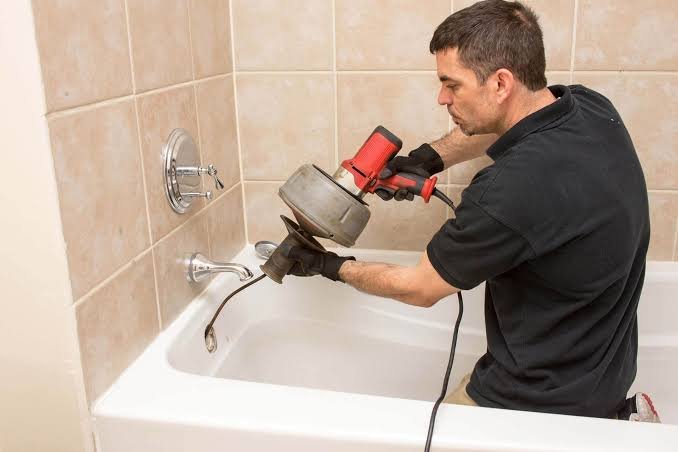
For hair clogs specifically, a drain snake (or a straightened wire hanger with a small hook bent at the end) physically pulls out the blockage rather than dissolving it.
- Insert slowly, twisting gently as you go
- Pull out slowly once you feel resistance easing
- Expect this to be genuinely unpleasant — wear gloves
[link to related guide about water heater troubleshooting here]
Method 4: Boiling Water (For Grease Clogs)
Grease solidifies in pipes, and boiling water helps melt it back into a liquid state that flows through. This works best for kitchen sink clogs specifically, less so for bathroom drains.
Pour carefully, in stages, letting each round drain fully before adding more.
Related reading: Water Heater Problems: A Troubleshooting Guide for Homeowners
What Not to Use
Chemical drain cleaners are tempting but genuinely risky — they’re corrosive, can damage older pipes, and are dangerous if the clog doesn’t clear and the chemical sits in standing water. I’d avoid them except as an absolute last resort.
When Home Methods Aren’t Working
If you’ve tried multiple methods and the drain is still slow, or if multiple drains in the house are clogging simultaneously, that’s a sign of a deeper plumbing issue — possibly in the main line — that needs professional attention.
- Multiple drains clogging at once — likely a main line issue
- Recurring clogs in the same drain despite clearing it — could indicate pipe damage
- Gurgling sounds from other drains when using one — sign of a venting or main line problem
[link to related guide about common plumbing problems here]
Preventing Future Clogs
- Use drain strainers to catch hair and food particles before they enter the pipe
- Avoid pouring grease down kitchen sinks — let it cool and dispose of it in the trash
- Run hot water through drains weekly as light maintenance
FAQs
Is it safe to use chemical drain cleaners regularly? No, frequent use can corrode pipes over time, especially in older homes with metal plumbing.
How do I know if a clog needs a plumber? If multiple drains are affected simultaneously, or home methods don’t work after several attempts, it’s time to call a professional.
Does hot water alone unclog drains? It helps with grease-based clogs but isn’t effective against hair or solid debris blockages.
Can I use a plunger on a bathroom sink? Yes, though a smaller cup plunger works better than a toilet flange plunger for sink-sized drains.
How often should I do preventive drain maintenance? A monthly baking soda and vinegar flush is a reasonable preventive habit for most households.
Conclusion
Most drain clogs are genuinely manageable without professional help — a plunger, some baking soda and vinegar, or a simple drain snake handles the majority of situations. Keep chemical cleaners as a last resort, and if a clog keeps coming back or multiple drains act up together, that’s your cue to call in a plumbing professional rather than keep fighting it yourself.
Suggested Alt Text:
- “Plunger being used on a clogged bathroom sink”
- “Baking soda and vinegar poured into a kitchen drain”
- “Drain snake tool removing hair clog from pipe”