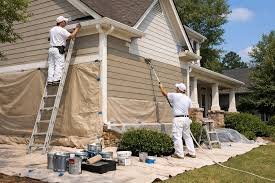
Exterior paint doesn’t just fade for aesthetic reasons — it’s actually your home’s first line of defense against weather damage. Knowing how often to repaint house exterior surfaces matters more than most homeowners realize, and the answer isn’t the same for every material.
I put off repainting my exterior for probably two years longer than I should have, mostly out of laziness, and ended up dealing with some minor wood damage that a timely paint job would’ve prevented.
Why Exterior Paint Timing Matters
Beyond looks, paint protects surfaces from moisture penetration, UV degradation, and in wood surfaces specifically, rot. Waiting too long between coats lets these issues start before you even notice visible paint failure.
Quick answer: Most house exteriors need repainting every 5-10 years depending on material and climate, with wood siding needing attention more frequently than brick, stucco, or previously well-sealed surfaces.
Repainting Timeline by Surface Material
- Wood siding: every 3-7 years, depending on climate exposure
- Stucco: every 5-6 years, generally holds paint well
- Brick (if previously painted): every 15-20 years, brick is naturally durable
- Aluminum or vinyl siding: every 5-10 years, though quality vinyl rarely needs painting at all
- Concrete/cement surfaces (common in Indian homes): every 5-7 years with quality exterior paint
Climate’s Role in Paint Longevity
Intense sun exposure common across much of India accelerates UV degradation of exterior paint noticeably faster than in cooler, cloudier climates. Coastal areas add salt air corrosion into the mix too, which shortens paint life further on exposed surfaces.
[link to related guide about home improvement cost guides here]
Signs Your Exterior Needs Repainting Now
- Visible fading, especially uneven fading on sun-facing walls
- Cracking, peeling, or bubbling paint anywhere on the surface
- Chalky residue on your hand after touching the wall
- Visible moisture stains or mold growth in shaded, damp areas
Quick answer: Signs that your house exterior needs repainting include visible cracking or peeling, chalky residue when touched, uneven fading, and any moisture staining that suggests the current paint layer has failed as a protective barrier.
What Happens If You Delay Too Long
Beyond just looking worn, delayed repainting on wood surfaces specifically risks actual rot once the protective layer fails completely. On cement surfaces, water penetration can lead to efflorescence (that white powdery residue) and eventually structural dampness issues.
Choosing the Right Paint for Longevity
- Exterior-grade acrylic paints handle Indian climate conditions well, balancing flexibility and UV resistance
- Weatherproof or elastomeric coatings offer better crack resistance for cement surfaces
- Lighter colors reflect heat better and tend to show less fading over time than darker shades
[link to related guide about DIY painting mistakes here]
Related reading: DIY Painting Mistakes That Ruin Your Walls’ Finish
Preparing for a Repaint Job
Proper surface preparation matters as much as the paint quality itself — skipping this step is where most repaint jobs fail prematurely, regardless of how good the paint is.
- Pressure wash or scrub to remove dirt, mold, and loose paint
- Repair any cracks or damaged surface areas before painting
- Apply a proper primer, especially over previously bare or repaired sections
- Use two coats minimum, even on touch-up areas
Cost of Exterior Repainting
For an average Indian house, exterior repainting typically costs ₹25,000-80,000 depending on size, surface condition, and paint quality chosen.
FAQs
How do I know if my exterior paint has failed? Chalky residue on touch, visible cracking or peeling, and uneven fading are the clearest signs that the protective layer has broken down.
Does paint color affect how often I need to repaint? Yes, darker colors absorb more heat and UV radiation, generally fading faster than lighter shades in hot, sunny climates.
Is it cheaper to repaint myself or hire professionals? DIY saves labor costs but requires proper equipment and time; professionals ensure better surface prep and finish quality for a genuinely lasting job.
How long does exterior paint typically take to dry between coats? Generally 4-6 hours in good weather, though full curing can take up to 2 weeks before the paint reaches maximum durability.
Does climate really affect repainting frequency that much? Yes, significantly — intense sun, monsoon humidity, and coastal salt air all accelerate paint degradation compared to milder, drier climates.
Conclusion
Knowing how often to repaint house exterior surfaces protects more than just curb appeal — it prevents genuine structural and moisture damage down the line. Keep an eye out for chalking, cracking, or fading, and don’t wait until the damage is obvious to act. A timely repaint every 5-10 years, depending on your material and climate, is a lot cheaper than the repairs that come from waiting too long.
Suggested Alt Text:
- “House exterior showing faded and peeling paint before repaint”
- “Freshly painted house exterior with even coverage”
- “Painter applying exterior-grade paint to a cement wall”