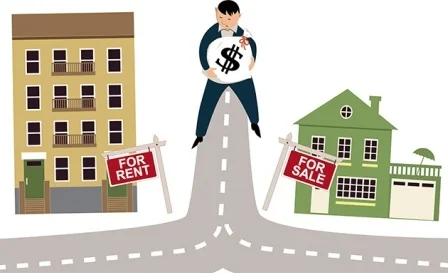
This question comes up at every family dinner and every friend’s group chat eventually: renting vs buying a home — which one actually makes more sense? The honest answer is, it depends on more than just money, though money is obviously a big part of it.
I rented for almost eight years before buying, and looking back, renting was genuinely the right call for that period of my life, even though everyone around me kept pushing to buy sooner.
The Real Difference Isn’t Just Cost
People often frame this as rent being “wasted money” versus buying building equity. That’s an oversimplification. Buying comes with maintenance costs, property tax, and reduced flexibility that renting simply doesn’t.
Quick answer: Renting makes sense for flexibility and lower upfront costs, while buying suits those planning to stay put for 5+ years and wanting long-term equity — the right choice depends on your timeline and financial stability, not a universal rule.
When Renting Makes More Sense
- You’re uncertain about job location for the next few years
- You don’t have savings for a down payment without financial strain
- You value flexibility over building equity right now
- Property prices in your target area are unusually inflated relative to rent
When Buying Makes More Sense
- You plan to stay in the same city for at least 5 years
- You have stable income and a reasonable down payment saved
- Rent prices in your area are climbing faster than mortgage costs would
- You want control over renovations and long-term stability for family reasons
[link to related guide about hidden costs of buying a house here]
The Financial Math Nobody Talks About Enough
Buying involves costs beyond the property price — registration charges, stamp duty (varies by state, often 5-7% in India), maintenance, and property tax. These add up to a genuinely significant amount that people underestimate when comparing to rent.
Renting, meanwhile, means none of your monthly payment builds equity, but it also means no maintenance costs, no property tax, and the flexibility to move without selling anything.
A Simple Comparison Framework
| Factor | Renting | Buying |
| Upfront cost | Security deposit (1-3 months rent) | Down payment (typically 20%) + registration |
| Monthly flexibility | High — can move with notice | Low — selling takes time |
| Long-term cost | No equity built | Equity builds over time |
| Maintenance responsibility | Landlord’s | Yours |
Renting Isn’t “Throwing Money Away”
This phrase gets repeated so often it’s basically accepted as fact, but it’s not quite right. Rent pays for housing, flexibility, and freedom from maintenance costs — that’s a real service, not wasted money.
Related reading: Hidden Costs of Buying a House Nobody Tells You About
[link to related guide about first-time home buyer guides here]
What I’d Actually Consider Before Deciding
Job stability matters more than most financial calculators account for. If there’s a real chance you’ll relocate in 2-3 years, buying rarely makes financial sense once you factor in transaction costs on both ends.
FAQs
Is buying always better than renting long-term? Not always — it depends on how long you stay, local property price trends, and whether the math actually favors equity building over that period.
How long should I plan to stay before buying makes sense? Most financial advisors suggest at least 5 years, since transaction costs on buying and selling take that long to offset through equity.
Does renting mean I’m losing money every month? No, rent pays for housing and flexibility — it’s a service cost, not automatically a financial loss compared to buying.
What percentage down payment is typical in India? Most lenders require 20% down payment, though some schemes allow lower amounts for first-time buyers.
Is it cheaper to rent or buy right now in most Indian cities? It varies significantly by city — tier-1 cities often favor renting due to high property prices relative to rent, while tier-2/3 cities sometimes favor buying.
Conclusion
Renting vs buying a home isn’t a question with one universal right answer — it genuinely depends on your timeline, financial stability, and how much you value flexibility versus long-term equity. Run the actual numbers for your specific city and situation before deciding, rather than following generic advice about renting being “wasted” or buying being automatically smarter. Both are valid paths depending on where you are in life.
Suggested Alt Text:
- “Couple reviewing renting versus buying decision with documents”
- “For sale and for rent signs outside residential properties”
- “Family standing in front of a newly purchased home”