Water is one of those things we rarely think about until something goes wrong. Maybe the kettle starts collecting a stubborn layer of white scale, the water from the kitchen tap tastes a little unusual, or the washing machine seems to need more attention than it used to. For people living on farms or managing larger properties, the stakes can be even higher. Water quality affects daily routines, equipment, and sometimes the success of an entire growing season.
The good news is that water problems don’t always require complicated or expensive solutions. What matters most is understanding the source of the problem and choosing a treatment method that addresses it properly. A little testing and planning at the beginning can save money, prevent frustration, and make a noticeable difference over time.
Start by Understanding Your Water
Before buying a filter or installing new equipment, take a closer look at the water you’re using. Clear water isn’t necessarily clean, and an unpleasant taste doesn’t automatically mean the supply is unsafe. Some contaminants are invisible, while harmless minerals can cause noticeable staining or buildup.
A professional water test can help identify hardness, pH, iron, sediment, and other characteristics that may affect your household. Depending on the source and local conditions, testing for bacteria, nitrates, or specific dissolved contaminants may also be appropriate. Private wells deserve particular attention because their quality can change with rainfall, nearby land use, and seasonal conditions.
Once you have reliable results, you can compare treatment options with greater confidence. Instead of paying for a system packed with features you may not need, you’ll be able to focus on the issues that actually matter.
Making Everyday Water Better at Home
Homeowners often notice water problems through small annoyances rather than obvious warning signs. Soap refuses to lather properly, bathroom fixtures develop chalky deposits, and glassware comes out of the dishwasher looking cloudy. These issues are commonly associated with hard water, which contains elevated levels of calcium and magnesium.
A water softener can help reduce hardness and limit scale formation in pipes, water heaters, and household appliances. Sediment filters can capture suspended particles, while activated carbon filters may improve certain tastes and odors. Each technology serves a different purpose, so choosing the right one is important.
A thoughtful home water treatment plan considers how water is used throughout the property. The water needed for showering and laundry may require a different approach from the water used for drinking and cooking. In some homes, a whole-house system makes sense; in others, treating only the kitchen supply is more practical.
It’s also worth considering maintenance before making a purchase. Filter cartridges need replacement, softeners may require salt, and some systems need periodic servicing. A treatment unit is an ongoing investment, not something you can install and forget about forever.
When Reverse Osmosis Makes Sense
Some water concerns involve dissolved substances that ordinary sediment or carbon filters may not adequately reduce. Reverse osmosis can be useful in these situations, particularly when the goal is to improve drinking water or address specific contaminants identified through testing.
In a reverse osmosis system, pressure pushes water through a semipermeable membrane. The membrane allows water to pass while rejecting much of the dissolved material, which leaves in a separate wastewater stream. Depending on the system and water conditions, this process can reduce certain dissolved salts, metals, and other substances.
For households seeking a dedicated drinking-water supply, whole home reverse osmosis may appear attractive, but it’s important to distinguish whole-house treatment from point-of-use reverse osmosis. Many conventional RO units are designed to serve a single drinking-water outlet rather than every tap in a property. Treating all household water with RO can require specialized equipment, greater investment, and careful consideration of wastewater production and system capacity.
Related reading: Finding a Water Treatment Company You Can Feel Good About
Check the manufacturer’s performance data and relevant independent certifications before choosing a model. No treatment system should be assumed to remove every possible contaminant, and routine filter and membrane replacement remains essential.
Water Quality Matters on Farms, Too
For farms, water is more than a household convenience. It may be used for irrigation, livestock, cleaning, spraying, and equipment operation. Poor water quality can create practical problems, although the right response depends on the intended use.
For example, excessive salts in irrigation water can affect soil conditions and plant growth. High mineral content may contribute to deposits in pipes and irrigation emitters, while iron and sediment can clog equipment. Water supplied to livestock also needs to be suitable for the animals using it.
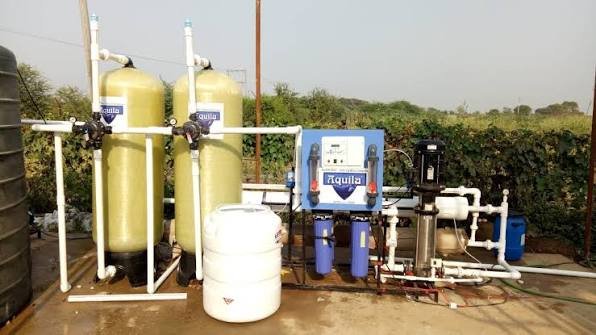
That is why farm & agriculture systems should be selected according to the source water, crop requirements, soil conditions, and operational demands. A filter that protects irrigation lines might be useful, but it won’t necessarily correct salinity or remove dissolved contaminants. Those problems may require a different treatment strategy or a change in how the water is managed.
Farmers should test water at appropriate intervals and pay attention to seasonal changes. A source that performs well during one part of the year may behave differently after heavy rain, prolonged dry weather, or changes in groundwater levels. Getting advice from a qualified water professional or agricultural specialist can help match treatment to the actual need.
Don’t Overlook the Cost of Ownership
The initial purchase price tells only part of the story. Installation, electricity, replacement filters, salt, service visits, and wastewater all contribute to the long-term cost of a treatment system. A cheaper unit may become expensive if its consumables are difficult to find or it requires frequent attention.
Before committing, ask a few practical questions. How much water can the system treat each day? Does it need professional installation? Are replacement parts readily available? What happens if water quality changes or the unit stops working?
It’s sensible to compare more than one option and read the technical details carefully. Look for clear information about the contaminants reduced, operating requirements, and maintenance schedule. Be cautious of broad claims that a product makes water completely pure without explaining what it actually removes.
Maintenance Keeps the System Useful
Even a well-chosen system needs regular care. Replace filters according to the manufacturer’s guidance, inspect connections for leaks, and keep records of service dates. If water develops a sudden change in taste, color, or smell, investigate the cause rather than assuming the treatment equipment will handle it.
Continue testing private well water even after installing a treatment system. The equipment may reduce selected contaminants, but it doesn’t guarantee that the source will remain safe indefinitely. If test results reveal a health-related concern, follow appropriate professional guidance and use a verified treatment method for the specific contaminant.
A Practical Approach to Better Water
Choosing water treatment doesn’t have to become a technical maze. Start with a clear understanding of your water, identify the problems that need attention, and compare systems based on proven performance and realistic running costs.
The best solution may be a simple filter, a water softener, a drinking-water RO unit, or a carefully designed combination of technologies. For a farm, it might involve treating irrigation water differently from water used for household purposes.
Ultimately, better water begins with informed decisions. When you understand what your water contains and how you use it, you’re in a much stronger position to choose equipment that fits your needs. That approach protects your investment, reduces avoidable maintenance, and brings greater confidence to the everyday tasks that depend on good water.