Choosing someone to improve your home’s water quality isn’t always as straightforward as it sounds. A quick online search brings up countless companies, different types of equipment, and plenty of promises about cleaner, healthier water. One business recommends a whole-house filtration system, another suggests a water softener, and a third insists that reverse osmosis is the answer. So, where do you begin?
Honestly, the best place to start is with a company that listens before it sells. Water quality problems vary from one home to another, and the right solution should reflect those differences. Whether you’re dealing with hard water, unpleasant tastes, mineral deposits, or concerns about specific contaminants, finding a knowledgeable and dependable provider can make the entire process much easier.
Why Choosing the Right Water Treatment Company Matters
Water treatment equipment is an investment that can affect your daily routine for years. A poorly chosen system might not solve the original problem, while an incorrectly installed unit can lead to leaks, unnecessary maintenance, or disappointing performance.
A reliable company should take time to understand your concerns, explain available options, and help you compare the practical benefits of each system. You shouldn’t need a degree in chemistry to understand what you’re buying.
Look for a provider that explains its recommendations in plain language. If your primary concern is hard water leaving white deposits on your faucets, for example, a water softener may be appropriate. If your drinking water has a chlorine aftertaste, a suitable carbon filter could be enough. More complex concerns may require laboratory testing and specialized treatment.
The important thing is that the equipment matches the problem. A trustworthy professional won’t recommend the most expensive option simply because it costs more.
The Value of a Family-Owned Business
There’s something reassuring about working with a company that takes its reputation personally. In many communities, family businesses build their customer base through repeat customers, recommendations, and years of consistent service. That kind of relationship can matter when you’re inviting someone into your home to work on an essential part of your plumbing.
A trusted & family owned water treatment company may offer a more personal approach, helping customers understand their options instead of rushing through a sales conversation. You may find it easier to speak directly with someone who understands the business, knows its service history, and genuinely wants customers to be satisfied.
Of course, being family-owned doesn’t automatically guarantee excellent service. Every company should be judged on its actual performance, qualifications, communication, and customer feedback. Ask how long it has operated, whether its technicians are properly trained, and what happens if a system needs adjustment after installation.
It’s also worth checking whether the company provides ongoing support. Water treatment isn’t always a one-time purchase. Filters need replacing, softeners require maintenance, and household needs can change over time. Having a dependable contact when questions arise is a real advantage.
Understanding the Products Available
The range of treatment equipment can seem overwhelming at first, particularly when several systems claim to improve water quality. A little basic knowledge makes comparisons much easier.
Water softeners primarily address hardness caused by calcium and magnesium. By reducing these minerals, they can help minimize scale buildup, improve soap performance, and make cleaning glassware less frustrating.
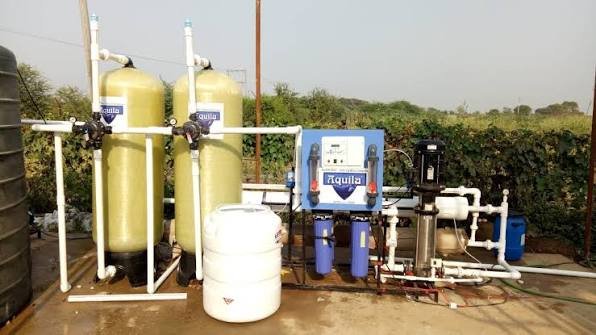
Carbon filtration systems commonly reduce chlorine taste and odor, depending on the filter’s design and certification. Reverse osmosis units can reduce various dissolved substances, including certain salts and metals, when properly selected and maintained. Sediment filters capture suspended particles, while ultraviolet systems can inactivate susceptible microorganisms under appropriate operating conditions.
When comparing water treatment products, pay attention to what each model is independently certified to do. General claims such as “pure water” or “advanced filtration” don’t tell you which contaminants are reduced or how effectively the equipment performs.
Ask for product documentation and check replacement requirements before purchasing. A system may look affordable initially but become expensive if cartridges need frequent replacement or servicing is difficult to arrange.
Also, remember that not every household needs multiple treatment systems. Sometimes a single, well-chosen filter addresses the main concern. The best setup is the one that delivers the required performance without adding unnecessary complexity.
Related reading: Choosing the Right Water Treatment for Your Home, Family, and Farm
Water Testing Should Come Before Major Decisions
One of the most useful services a treatment company can offer is a clear assessment of your water quality. Instead of guessing which equipment might help, testing provides information that supports a more informed decision.
The appropriate test depends on your water source and concerns. Municipal water users can begin by reviewing their supplier’s quality report, although this won’t necessarily reveal issues inside their own plumbing. Private well owners generally need more individualized testing for concerns such as bacteria, nitrates, and naturally occurring contaminants.
Some companies offer complimentary water assessments. These can be helpful for identifying hardness, chlorine, or other basic characteristics, but it’s important to understand their limitations. A quick demonstration or screening isn’t a substitute for laboratory analysis when potentially harmful contaminants are involved.
Before agreeing to treatment, ask what the test measures, how the results are obtained, and whether further analysis is recommended. A professional should be willing to explain uncertainty rather than exaggerate risks to pressure you into buying equipment.
Good testing also helps prevent overspending. There’s little reason to purchase a complicated filtration system if your actual concern can be resolved with a simpler, appropriately certified option.
Installation and After-Sales Support Matter
Even high-quality equipment needs proper installation. Connections must be secure, plumbing arrangements must be suitable, and systems should be configured according to the manufacturer’s instructions.
Before scheduling work, ask what the installation includes. Does the quoted price cover fittings, plumbing changes, startup checks, and an explanation of the equipment? Will the technician show you how to replace filters or recognize maintenance warnings?
Clear answers help avoid unpleasant surprises on installation day.
After-sales support deserves equal attention. A company should explain warranty coverage, expected servicing intervals, and the availability of replacement parts. If something doesn’t work as expected, you should know whom to contact and what kind of response to expect.
Reading recent customer reviews can provide useful clues about how a business handles these situations. Don’t focus exclusively on glowing testimonials. Look for patterns in feedback, particularly comments about punctuality, communication, installation quality, and how complaints were resolved.
Staying Informed About Changes in Water Treatment
Water treatment technology continues to develop, with improvements in filtration materials, monitoring systems, and equipment efficiency. Regulations, certification standards, and local water quality concerns can also change over time.
Following our industry updates can help homeowners stay aware of new treatment options, practical maintenance advice, and developments that may affect their water supply. Educational articles, manufacturer guidance, and information from public health authorities are useful places to begin.
Still, not every new product represents a meaningful improvement. Be cautious of dramatic claims that aren’t supported by independent testing. A newer system isn’t automatically better than a proven model, especially when the older equipment already meets your household’s needs.
The most useful information is the kind that helps you make sensible decisions, understand your equipment, and recognize when professional advice is warranted.
Making a Choice With Confidence
Finding the right water treatment provider comes down to more than comparing prices or choosing the company with the flashiest website. Look for honest communication, appropriate testing, clearly explained recommendations, qualified installation, and dependable support after the sale.
Take your time, ask questions, and compare written estimates before committing. A good provider will welcome reasonable questions and help you understand both the benefits and limitations of its recommendations.
Ultimately, better water quality should bring peace of mind, not another source of confusion. With the right information and a dependable company behind your equipment, you can make a practical investment in your home and enjoy greater confidence in the water you use every day.